Non-Toxic Cookware Explained: What It Means and How to Choose the Right One

Shopping for cookware today is confusing with labels like “non-toxic,” “PFAS-free,” and “Teflon-free" everywhere. This guide explains what actually matters, compares safe materials, and helps you understand which cookware is worth your attention.
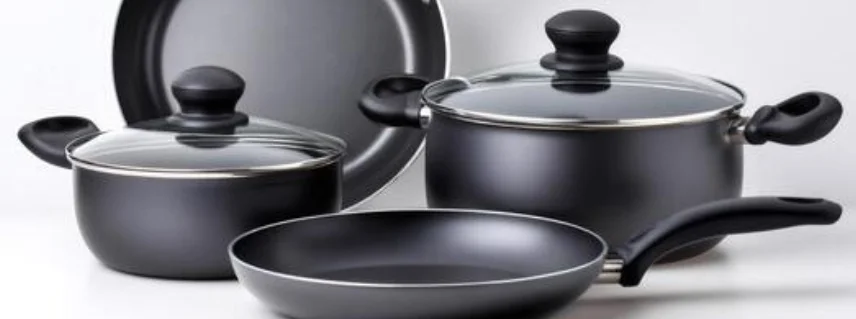
Shopping for cooking utensils used to be so simple. All you had to do was pick a pan and cook your food. Today it’s a completely different story. Walk into any shopping aisle, and you’ll find the same labels on almost every utensil.Essentially, every item aisle claims to be free from harmful chemicals. But that doesn’t mean they mean the same thing.
For most people the problem is not that there’s a lack of options, but that it’s knowing which cooking utensils are actually free from harmful chemicals. Unfortunately, the phrase “non-toxic cookware” has become a marketing phrase, and that’s making it hard to choose the right material.
What Does “Non-Toxic Cookware” Really Mean?
The awkward truth is that the FDA has no standard definition for ‘non-toxic cookware.’ Simply put, it refers to cooking utensils that don’t leach harmful materials or heavy metals into your food. In most cases, the term refers to cookware that doesn’t use synthetic coatings to make the utensil nonstick. These synthetic coatings contain chemicals such as PFAS, PTFE, or PFOA that create the slippery surface on traditional cookware to make it nonstick.
Why Non-Toxic Cookware Matters
More people are paying closer attention to what they use to cook their food especially as synthetic nonstick coatings can wear down over time with heat or scratches. This shift isn’t about fear; it’s about preference and awareness. Many home cooks simply want utensils that last longer without harming their food.
It’s worth knowing that the cookware by itself is not toxic or unhealthy on its own. Rather it's the materials and coatings that matter. That’s why labels like PFOA-free can be confusing since they don’t always guarantee the absence of other similar chemicals. This is where understanding materials becomes more important than trusting marketing claims.
Common Types of Non-Toxic Cookware
Before choosing what counts as truly “safe” cookware, it helps to quickly compare the most common materials people rely on in everyday cooking.
While these options can work for your cooking style, none of them is perfect in every category. Some prioritize convenience, others durability, and some require consistent maintenance.
However titanium has been getting popular for combining durability with low maintenance and coating-free approach. And some brands are taking this one step further, with Taima Titanium focusing on day to day usability without the usual compromises in other cookware materials.
Why More Home Cooks Are Choosing Titanium Cookware
More home cooks are shifting toward titanium cookware because it offers a durable alternative to traditional nonstick pans without relying on synthetic coatings. It’s becoming a practical choice for people who want long-lasting and low-maintenance cookware. And in this space Taima Titanium takes a refined approach to practical cooking free from harmful chemicals.
What Sets Taima Titanium Apart
-
Medical-grade titanium construction built to be durable and resistant to wear and corrosion over time.
-
They are made without PFAS, PTFE, or PFOA coatings for a cleaner cooking surface without synthetic nonstick layers.
-
The utensils are designed to provide naturally easier food release that reduces sticking without chemical coatings.
-
The lightweight design makes it easier to lift, handle, and use compared to heavier cookware like cast iron.
-
They offer multi-cooktop compatibility and work on different stovetops depending on the model.
-
They’re designed for long-term use, helping reduce the need for frequent cookware replacements.
Is Taima Titanium Right for You?
Taima Titanium is a good fit for home cooks who want durable low maintenance cookware and are moving away from traditional nonstick pans. It works well for people who cook regularly, want their utensils to last longer without leaking harmful chemicals into the food.
Taima Cookware Might Be Right for You If You
-
Cook frequently and want cookware that lasts longer
-
Are looking to replace worn or scratched nonstick pans
-
Prefer low-maintenance cookware
-
Don’t want to replace pans often
-
Are avoiding traditional synthetic nonstick coatings
It’s also worth noting that titanium cookware has a small learning curve compared to coated nonstick pans. It usually performs best with a bit of oil or fat and proper preheating, and it won’t feel the same as Teflon-style “instant release” cookware.
FAQs
What Is Considered Safe Cookware for Everyday Use?
Safe cookware refers to materials like stainless steel, cast iron, or titanium that don’t use synthetic nonstick coatings and are preferred for durability and stable cooking performance.
Why Do People Switch Away from Traditional Nonstick Pans?
Many home cooks move away from coated pans since the surface wears down over time with heat or scratches.
Do Coating-free Cookware Options Require Special Cooking Techniques?
Yes, most coating-free pans perform better with proper preheating and a small amount of oil or fat. Once you adjust to the technique, they can deliver consistent everyday cooking results.
Choosing non-toxic cookware should not be about chasing labels. It’s about understanding what the cookware is made from, how long it lasts, and how it will fit your cooking style. The decision becomes much clearer once you focus on materials and durability instead of buzzwords.
If you’re looking for cookware that avoids traditional nonstick coatings, is built for long-term use, and works well in daily cooking, Taima Titanium is worth exploring. Check out the collection and use available Taima discount codes to make your upgrade more affordable.
For more in depth guides on cooking and everyday essentials, stay tuned to WearChronicles.